
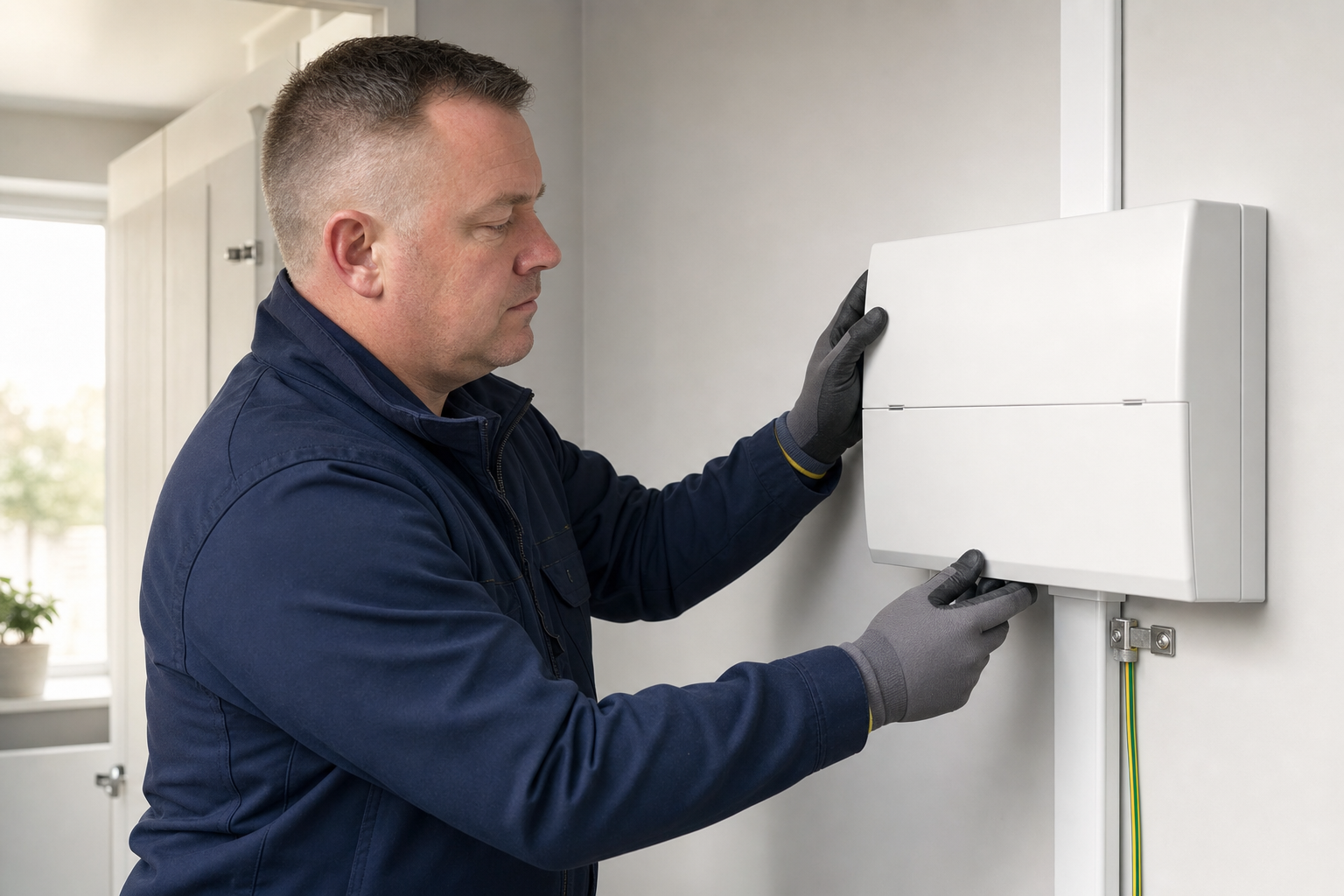
Why remedial work needs a clear order
Based on real defects
The work follows identified faults, so you know why each item matters.
Urgent items come first
Serious safety issues are dealt with before lower priority improvements.
Retested at the end
Completion checks show the defect has been addressed, not just touched.
Turning inspection findings into repairs
Remedial work is what turns electrical findings into actual progress. If a condition report, safety inspection or fault-finding visit has identified defects, we can correct the problems in a practical order that matches the seriousness of the risk. That may mean repairing damaged sockets or switches, correcting circuit faults, improving earthing or bonding, or dealing with protective devices that are no longer doing the job properly. When you instruct Robert Wilson Electrics Ltd, we do not pad the job with vague extras. We work from the defects that have been identified and explain why each item matters.
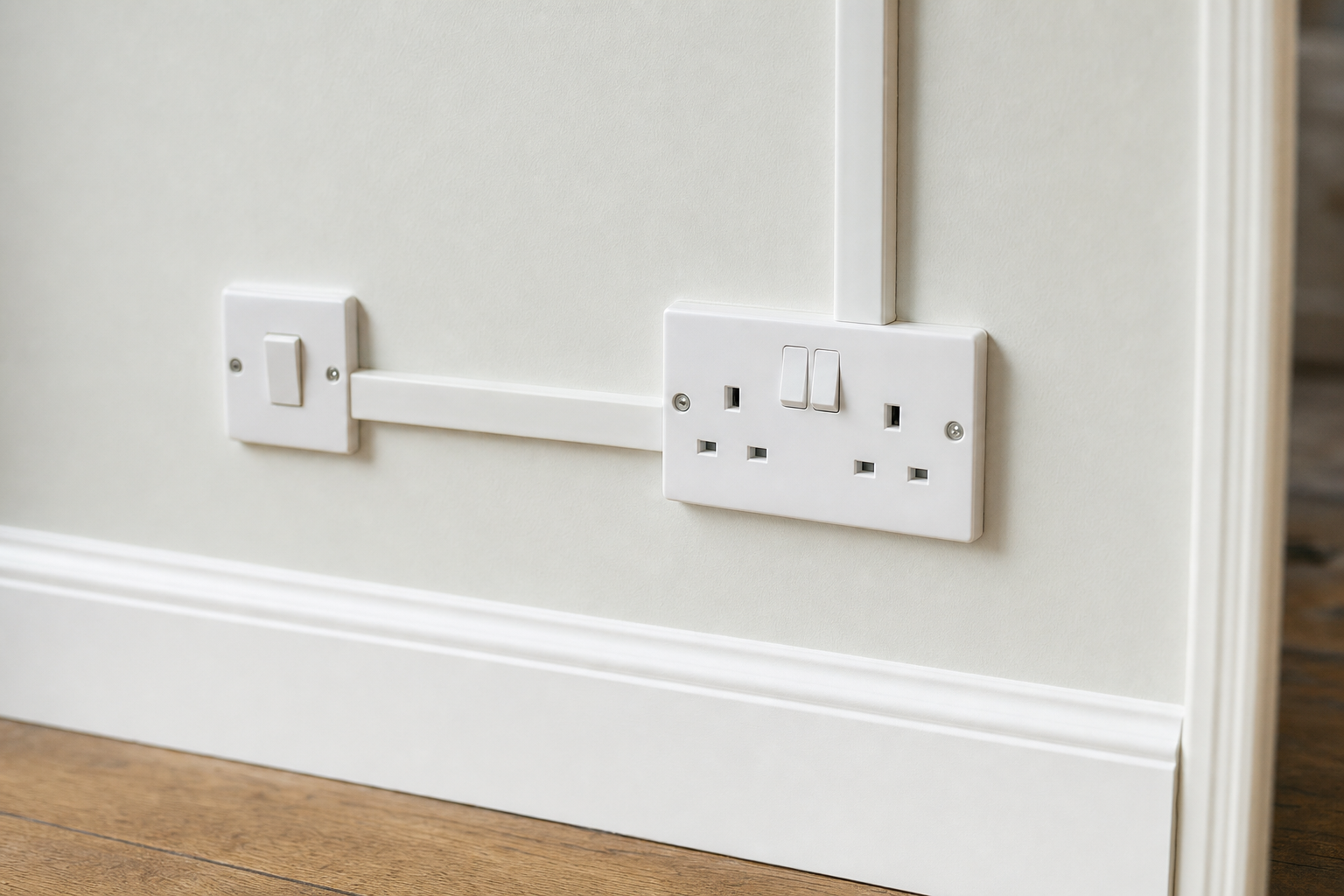
Priorities, retesting and clear closure
Some issues need dealing with straight away. Others can be planned once the urgent danger has been removed. We set that out clearly so you know what must happen first and what can follow in stages. With Robert Wilson Electrics Ltd, completion does not stop at tightening a screw and heading for the van. We carry out the necessary checks and retesting to show that the defect has been addressed, then explain what has been done, what has improved and whether any further work should be kept on your radar.
Frequently asked questions
Do I need every item from the report done at once?
Not always. The order depends on how serious each defect is. Immediate or potentially dangerous issues should be dealt with first, while lower priority items may be planned in stages. We explain that order clearly before any remedial work starts.
What sort of defects can remedial work cover?
It can include damaged accessories, circuit defects, earthing or bonding issues and protective devices that are unsuitable or not working as they should. The exact scope comes from what the report, inspection or fault-finding visit has actually identified.
How do you show the problem has been resolved?
We do not treat completion as simply changing a part and leaving. We carry out the relevant checks and retesting for the work done, then explain what was corrected and whether any further items still need to be dealt with.